

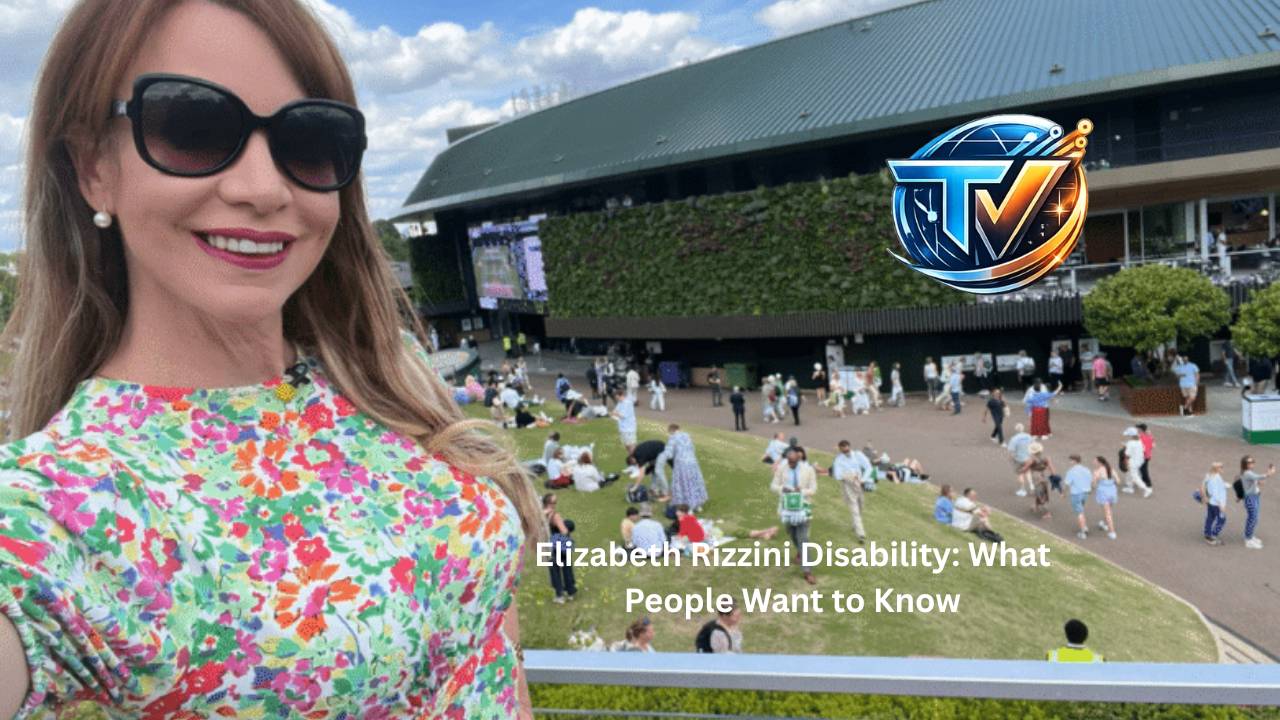
When a well-known broadcaster becomes familiar on screen, people naturally grow curious about their life beyond the weather forecast or television segment.
That curiosity often leads to very specific searches.
One of them is Elizabeth Rizzini disability.
It’s a phrase people type because they want clarity, context, or to understand whether there is any confirmed public information connected to Elizabeth Rizzini.
And that’s worth handling carefully.
Because searches involving health or disability often mix curiosity with rumor, and those are not the same thing.
Why People Search Personal Details About Public Figures
Let’s be honest.
Once someone appears regularly on television, audiences begin to feel familiar with them.
They see the person often.
They trust the face.
That familiarity can create interest in personal details such as age, family, relationships, background, and health.
So searches like Elizabeth Rizzini disability usually come from that broader pattern of curiosity rather than confirmed news.
Who Is Elizabeth Rizzini?
Elizabeth Rizzini is known in the UK as a respected weather presenter and broadcaster. She has become a recognizable face through television appearances, where calm delivery and professionalism matter.
Weather presenting may look simple from the sofa, but it requires confidence, timing, live performance skill, and the ability to explain changing conditions clearly.
That consistency often builds audience loyalty.
And with loyalty comes interest.
Is There Confirmed Public Information About a Disability?
Here’s the key point.
There is no widely confirmed public information establishing that Elizabeth Rizzini has a disability based on reliable mainstream public records.
That matters.
Sometimes search phrases trend because people speculate after seeing a clip, posture, movement, camera angle, wardrobe choice, or social media comment.
Speculation is not evidence.
A repeated search term does not automatically mean the claim behind it is true.
How Rumors Start So Easily
Now, let’s be honest.
The internet can create stories from almost nothing.
Someone notices a moment on television.
Another person guesses in a comment thread.
A third repeats it elsewhere.
Soon enough, a search phrase appears.
That’s how many celebrity rumors begin.
Not with facts.
With assumptions.
Why Visibility Creates Extra Scrutiny
Television presenters experience something many people never face.
Thousands of viewers notice tiny details.
How someone stands.
How they walk.
What expression they make.
Whether they seem tired.
Whether they move differently one day.
Most regular people would never be judged this closely.
Public figures often are.
That can create unfair narratives.
A Real-Life Example
Imagine going to work one morning after sleeping badly.
You walk slightly stiffly because of a sore back.
Now imagine millions of people watching and discussing it online.
That’s the scale difference public figures face.
Ordinary moments can become exaggerated stories.
Why Respect Matters in These Searches
Searching health-related terms about someone isn’t automatically wrong. Curiosity is human.
But respect matters.
Disability is personal.
Health information belongs first to the individual, not the audience.
If someone chooses to speak publicly, that is their decision.
If they do not, assumptions should stay assumptions.
That principle applies to everyone, famous or not.
What Makes Elizabeth Rizzini Popular With Viewers
Often the more useful question is not about rumors but about why people notice her in the first place.
Elizabeth Rizzini has built visibility through professionalism, warmth, and reliable on-screen presence.
That combination matters.
People return to broadcasters who make information feel clear and calm.
Especially weather updates, where viewers often want fast answers during busy mornings or uncertain evenings.
Why Search Engines Surface Odd Phrases
Here’s the thing.
Search suggestions do not verify truth.
They reflect what people have typed.
That means unusual or inaccurate phrases can appear simply because enough users searched them.
Many people misunderstand this and assume suggestion equals fact.
It doesn’t.
It only means interest exists.
The Difference Between Curiosity and Confirmation
This is where readers can be smarter than the algorithm.
Curiosity asks questions.
Confirmation checks evidence.
Good habits include:
Looking for reliable sources
Checking if the person said it directly
Ignoring gossip sites
Recognizing speculation loops
Those habits save time and prevent false beliefs.
Why Public Figures Deserve Boundaries
Fame often convinces audiences that everything about a person is public property.
It isn’t.
Someone can be visible professionally while still keeping medical or personal matters private.
That boundary should be normal.
In fact, it’s healthy.
My Honest View
Searches like Elizabeth Rizzini disability say more about internet culture than about the person involved.
People notice someone often, feel curious, then search increasingly specific phrases.
Sometimes there’s substance.
Sometimes there isn’t.
In this case, publicly confirmed information appears limited or absent, so caution is the fair response.
What People May Really Be Looking For
Sometimes a search phrase is clumsy shorthand.
People may actually mean:
Has she spoken about health?
Why are people discussing this?
Is there a true story here?
What is the background?
That happens often. Search terms can sound sharper than the real intention behind them.
Better Ways to Approach Similar Searches
If you’re curious about any public figure, try focusing on:
Career achievements
Professional background
Interviews they chose to give
Verified public statements
Work they’re known for
That usually leads to more meaningful information than rumor trails.
Final Thoughts
The phrase Elizabeth Rizzini disability reflects public curiosity, but curiosity should not replace facts.
At present, there is no broadly confirmed public information requiring that label for Elizabeth Rizzini.
What is clear is that she is a respected broadcaster people notice and trust.
Sometimes the strongest answer is also the simplest one:
Not every search phrase tells a true story.
